Articles
Reporting and analysis on recording, recognition, consent, Bluetooth awareness and the shared-space questions raised by wearable technology.
-
Research
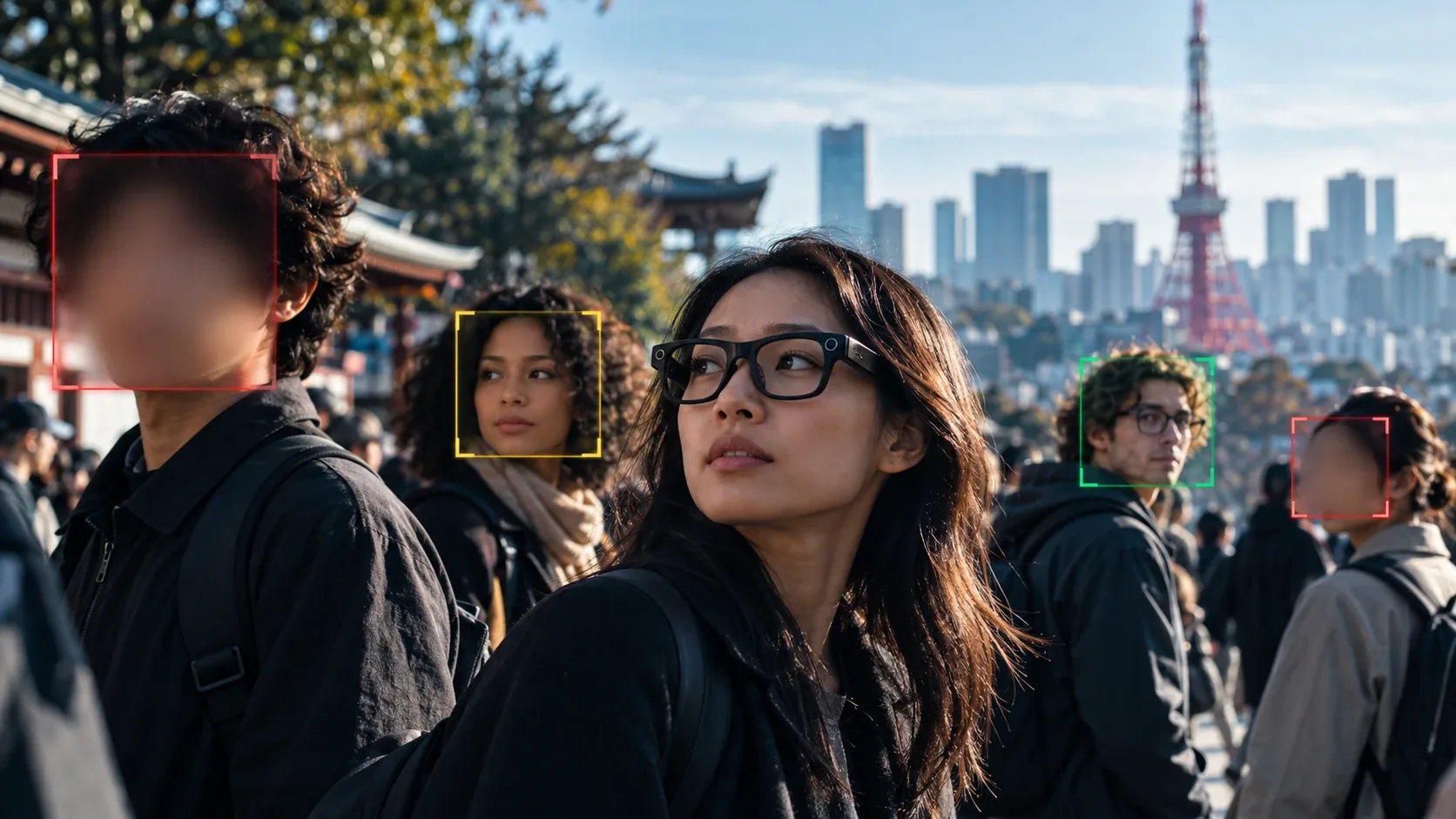
What If Smart Glasses Had to Ask Before Revealing Your Face?
A CHI 2026 study explores default face blurring, AI-generated replacements and consent-based restoration, revealing both promise and unresolved privacy risks.
-
Public spaces
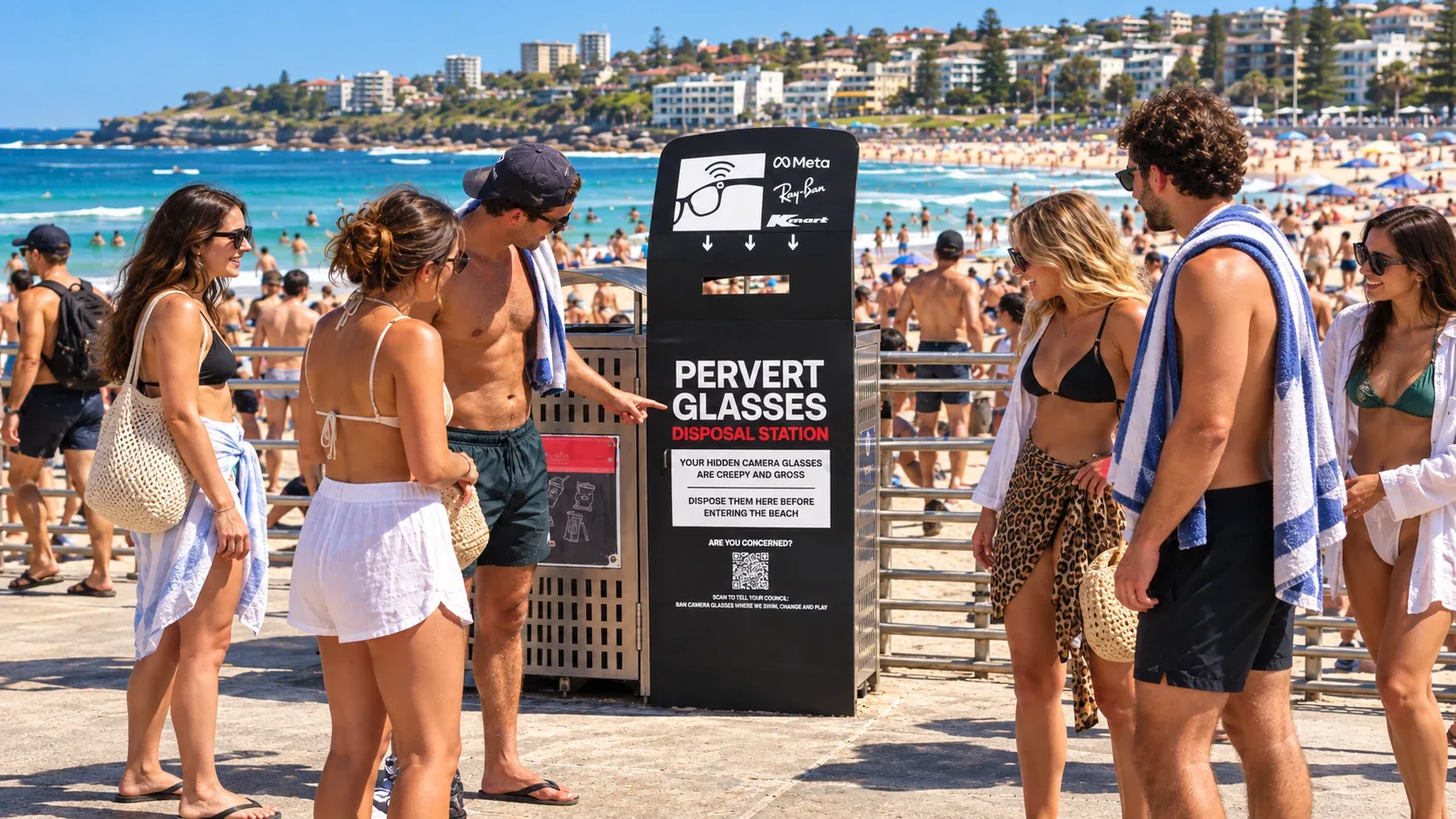
Bondi Beach Brings Smart Glasses Privacy Into Focus
A GetUp installation at Bondi Beach brings camera-glasses privacy into public view, amid Australian scrutiny of recording, AI data flows and device security.
-
Perspective
The Glasses Were Never the Problem
Nothing about a camera on a face is inherently wrong. The choices manufacturers make about what it does by default are what deserve scrutiny, not the person wearing it.

-
Security
Espionage, Theft, Extortion, Bribery: The Words Security Professionals Use Now
Security professionals now connect smart glasses with espionage, data theft and extortion. Air Force restrictions and data-centre monitoring show how the threat model is changing.

-
Open protocol
A Privacy Signal the Smart Glasses Industry Can Test
NearLens is partnering with PMSG to bring its ambitious BLE privacy-signal convention to iOS, adding real-time awareness of camera and microphone state to existing wearable-presence detection.
-
Movements
Stop Smart Glasses Is Betting It Isn't Too Late Yet
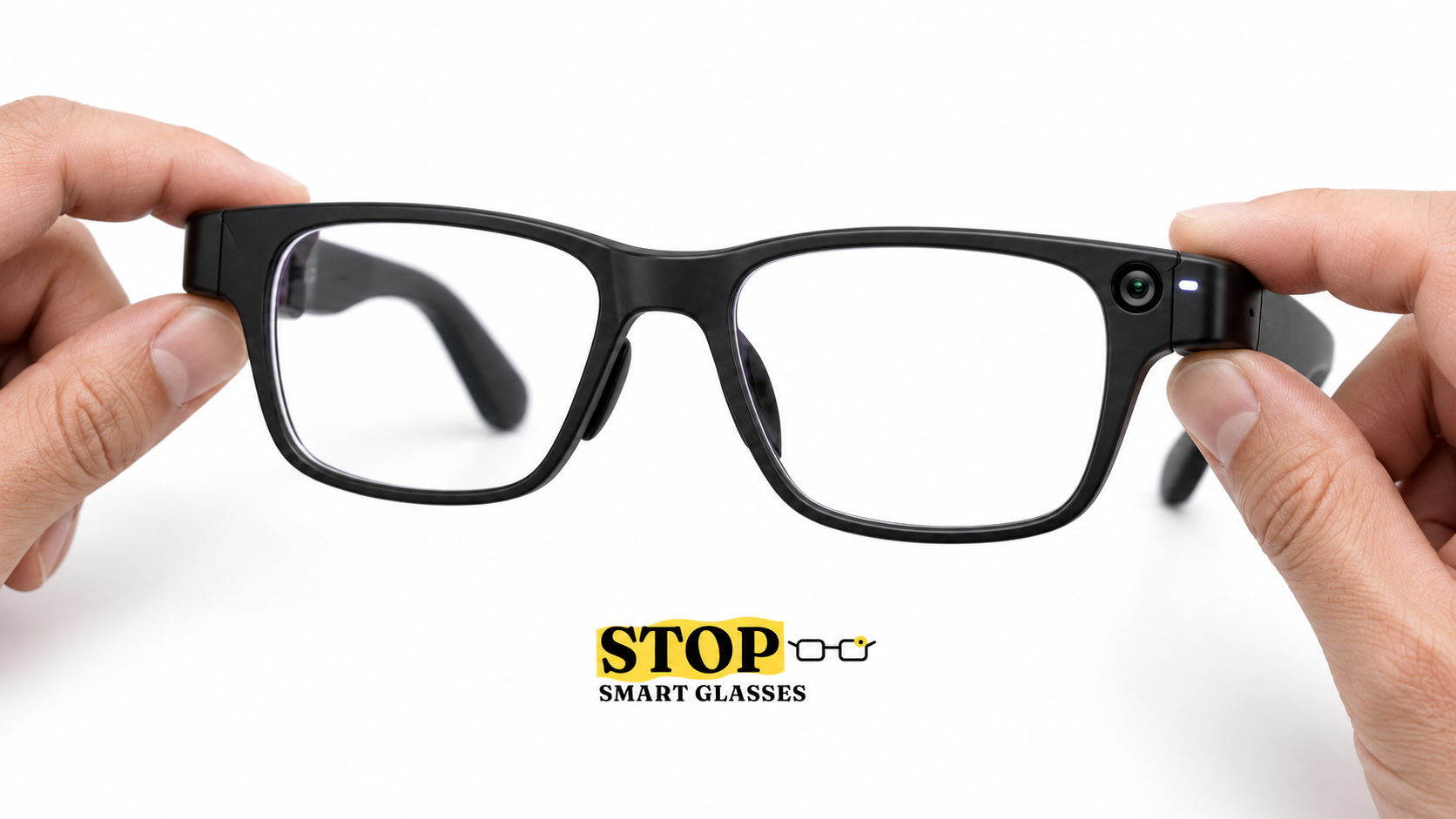
A grassroots UK and Ireland campaign built the first retailer database showing where camera glasses are sold, and is asking the public to act before the devices become background noise.
-
Policy design
The Exemption Would Need Its Own Database
Carving out an accessibility exception to a smart glasses restriction sounds like the obvious compromise. Verifying who qualifies requires building the exact kind of registry the restriction was meant to prevent.

-
Legal foundations
Visibility Was Never Consent
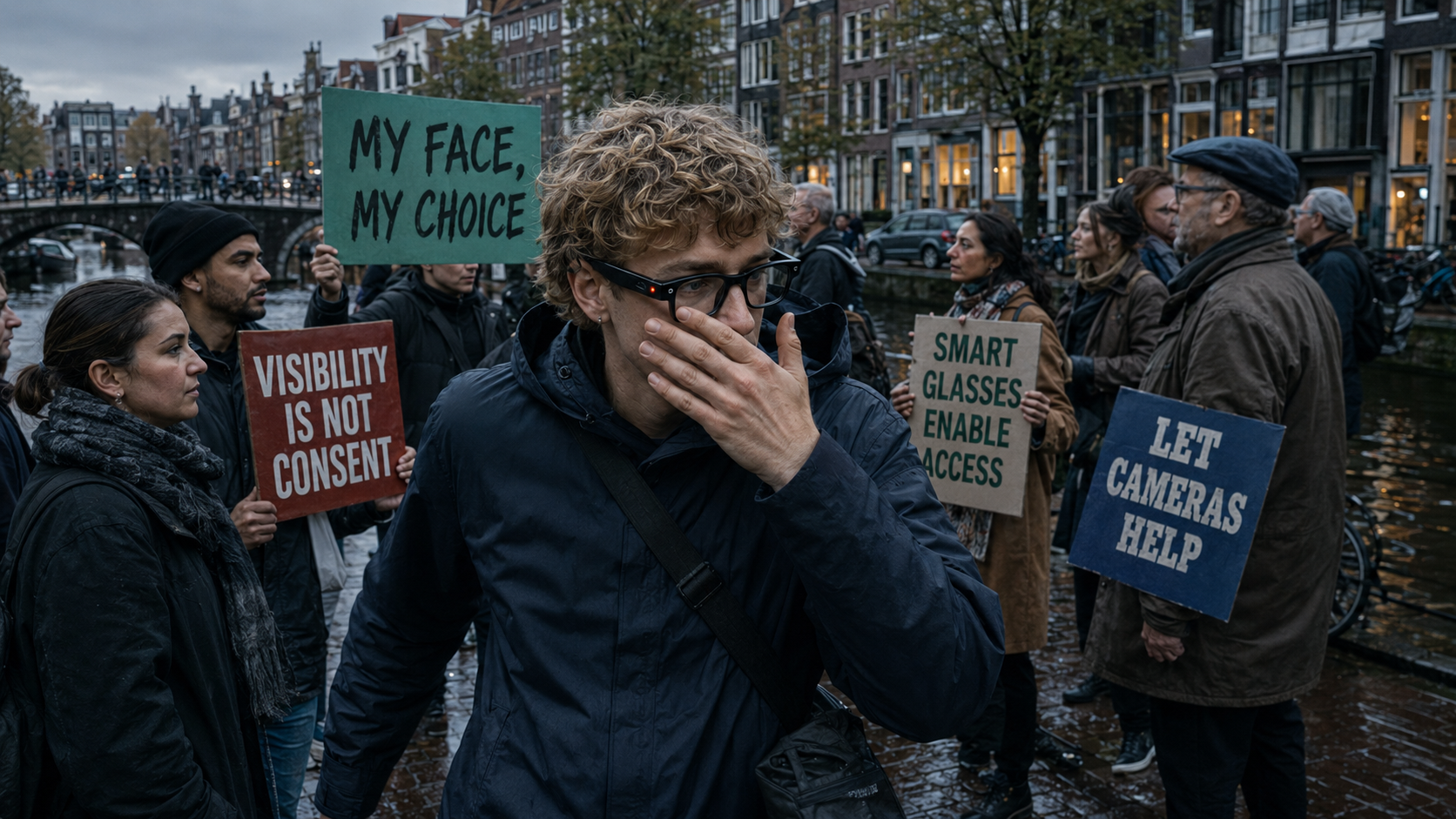
The industry's default defence is that a public street has no privacy left to violate. A Canadian court already showed why visibility alone cannot settle the question.
-
Framework
The Question Was Never Ban the Glasses or Allow Them
Both sides of this debate start from the same fact, a camera moved onto a face. The object-level question that follows is too coarse to answer it.

-
Governance timing
Norway Said This a Week Ago. The World Just Found Out.
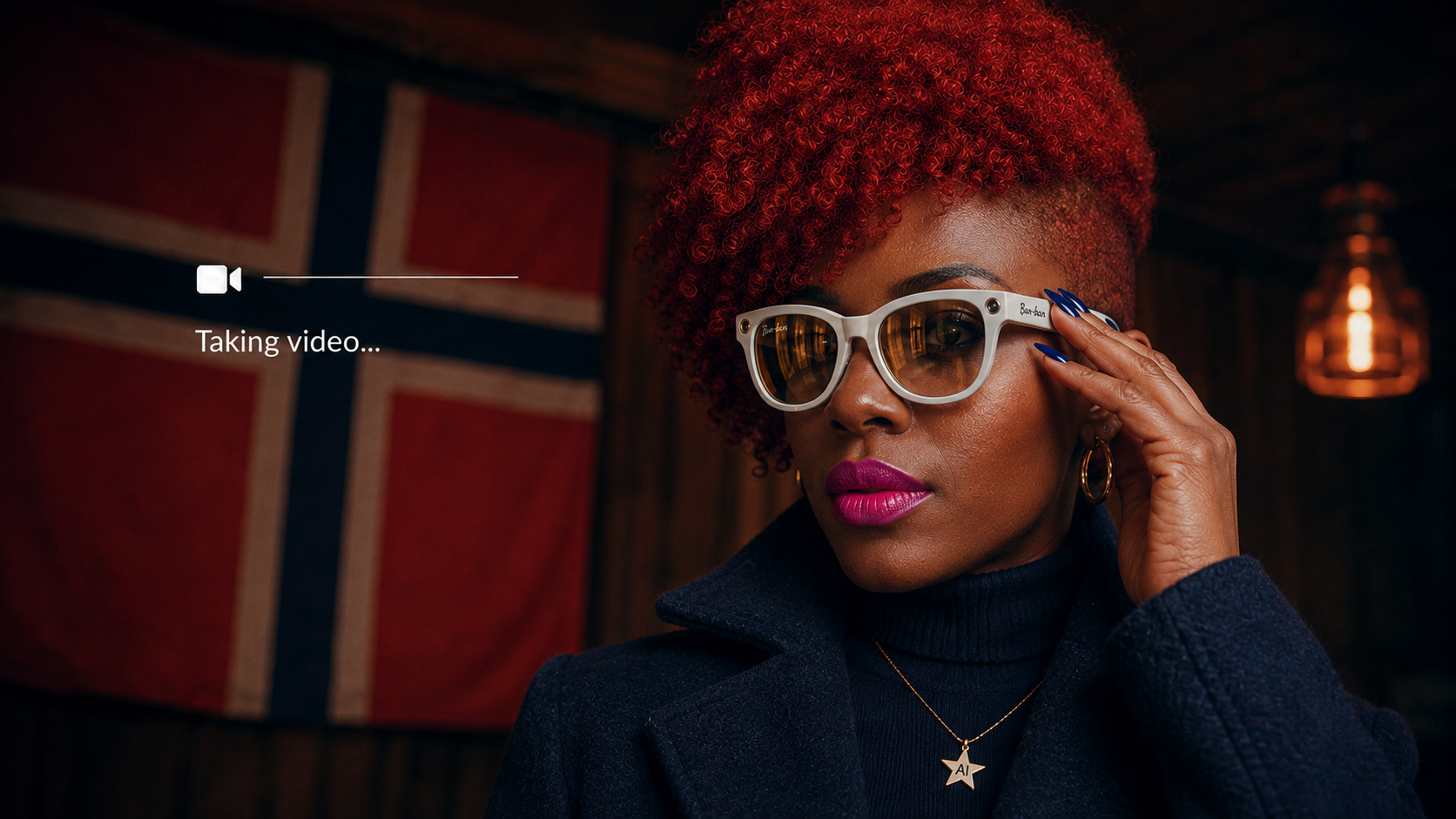
A Norwegian minister announced plans to regulate camera wearables on August 25. English-language tech press treated it as news on September 2.
-
Automated redaction
The Blur Was Supposed to Be the Safeguard
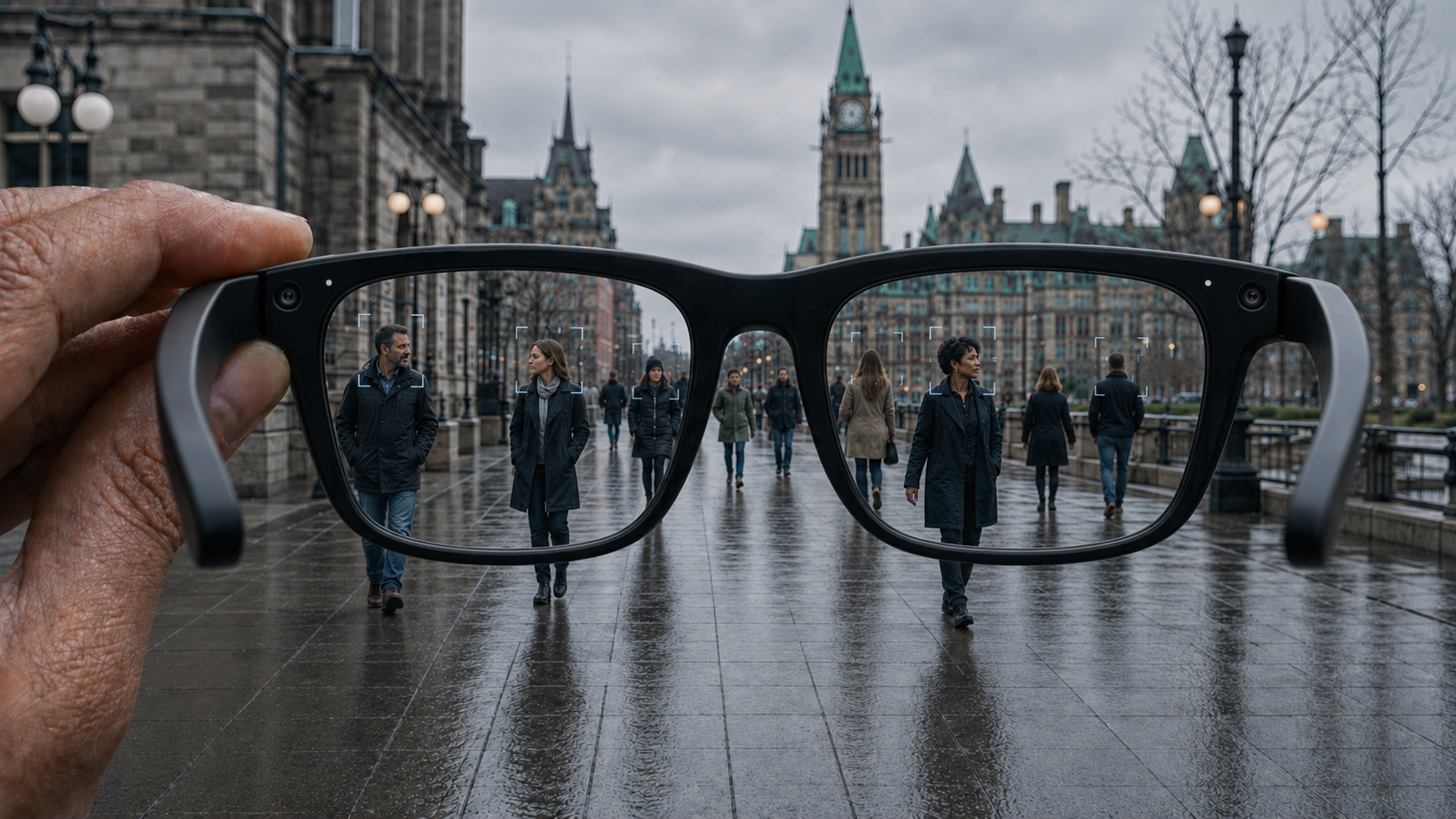
When footage from smart glasses reaches a human reviewer, automatic face blurring is the last line of defence before it. That line has already failed.
-
Corporate response
The Fix Was a Marketing Campaign
A regulator asked Meta in 2021 to either prove its recording light works or run a public campaign explaining it. Meta chose the campaign five years later, only once the backlash became a PR crisis.