Articles
Reporting and analysis on recording, recognition, consent, Bluetooth awareness and the shared-space questions raised by wearable technology.
-
Market response
The Market Priced In What the Law Has Not
Wall Street reacted to the "pervert glasses" label faster than regulators did, exposing the gap between market pressure and formal oversight.

-
Accessibility
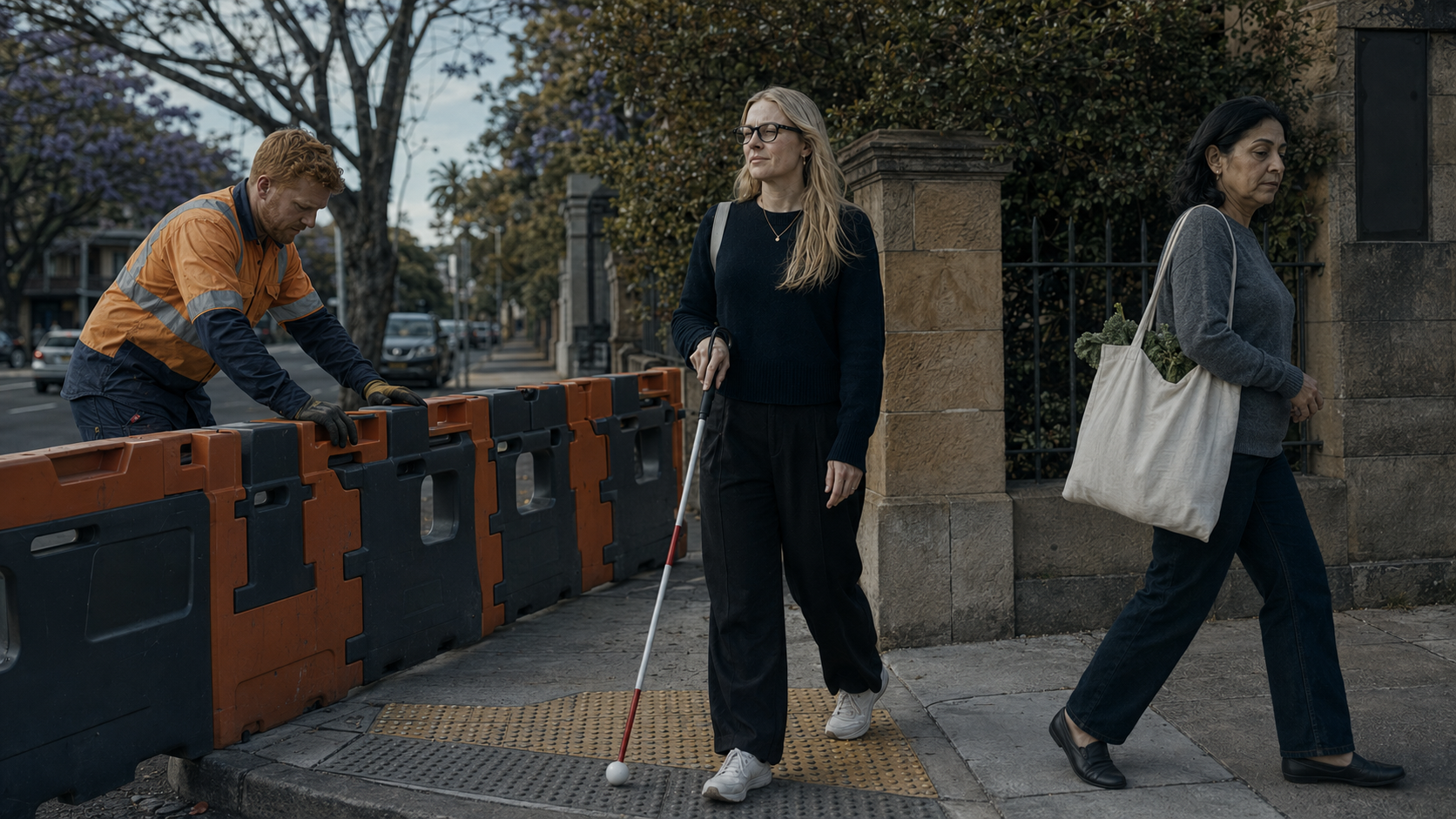
The Light Was Only Ever Notice for People Who Could See It
Every proposal in this debate treats a visible cue as the baseline protection. That baseline already excluded a portion of the public before smart glasses existed.
-
Schools
When the Person Filming You Sits Next to You Tomorrow
Advice for people recorded in public often concerns a stranger who will not be encountered again. In a school, the person holding the camera may be in the next class.

-
Practical guide
How to Tell if Someone's Smart Glasses Are Recording You
The honest answer is that certainty is often unavailable. This guide explains what the indicator light does and does not prove, and what a Bluetooth scan can actually indicate.

-
Smart glasses and privacy
How Smart-Glasses Privacy Changed From Recording to Recognition
A smart-glasses camera can feed public-face search during an encounter, while the person in view may see only ordinary frames.

-
Bystander notice
Can a Tiny Recording Light Give Bystanders Meaningful Notice?
A recording indicator can warn that a camera is active, but it cannot explain what happens to the footage or what choices a bystander has.

-
Face recognition
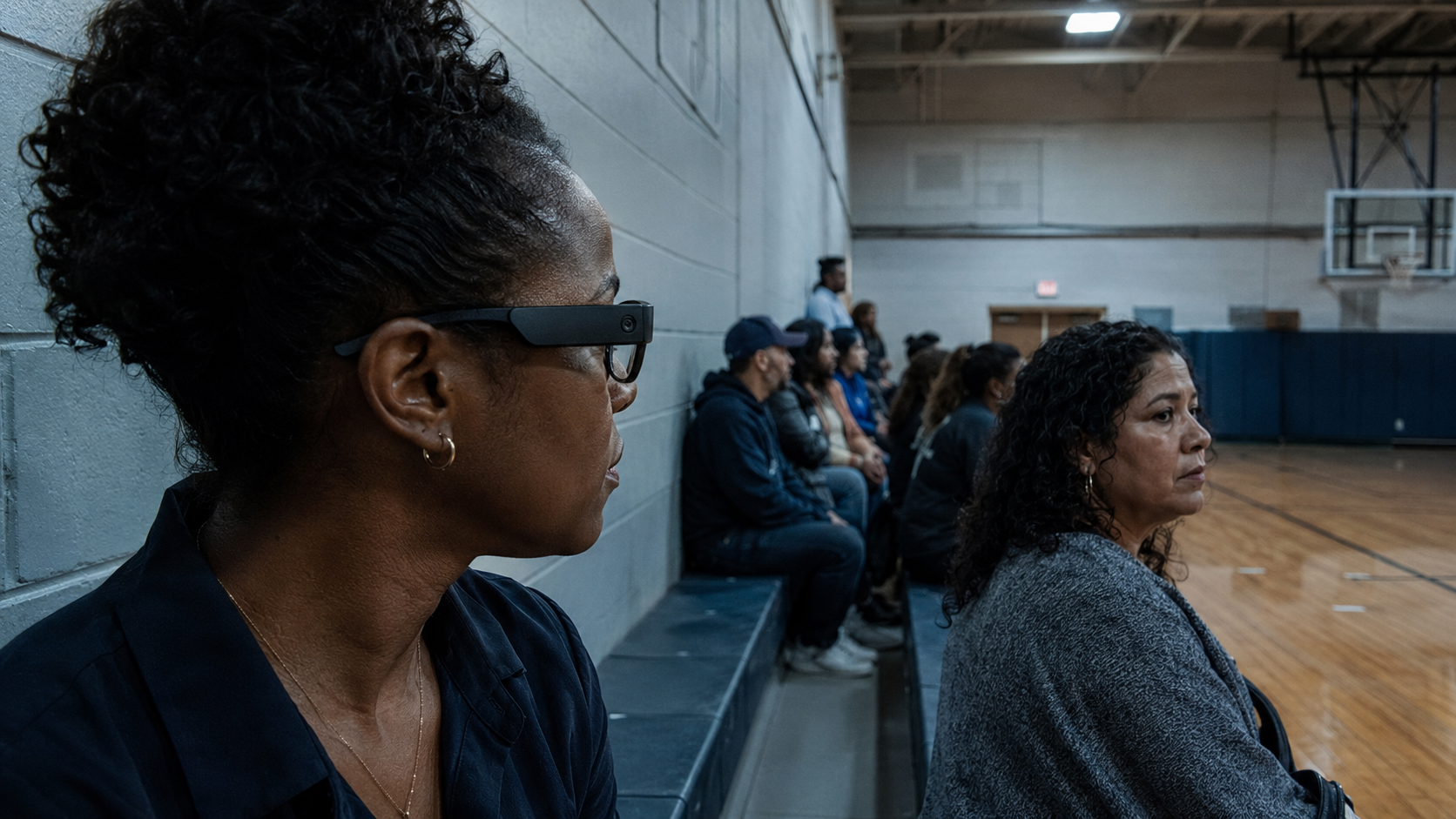
I-XRAY and the Moment Smart Glasses Met Face Recognition
I-XRAY showed how smart glasses could be linked to public-face search, turning an ordinary encounter into an identification event.
-
Ambient audio
Halo X and the Cost of Always-On Listening
Halo X shows how an audio wearable can help its wearer while drawing nearby conversations into an uncertain recording space.

-
Human review and privacy
The Human Review in Kenya's Smart-Glasses Investigation
Reports of annotators in Nairobi reviewing smart-glasses footage show how far a private moment can travel after capture.

-
Product direction
What Meta's Name Tag Discussion Says About Facial Recognition
Meta's reported Name Tag work shows why public rules should precede routine facial recognition in glasses.

-
Civil liberties
Your Glasses Should Not Know My Name
The ACLU's response to wearable facial recognition draws a clear boundary. People should not be silently identified in everyday life.

-
Market context
Smart Glasses Are Scaling. Privacy Needs to Scale Too.
Shipment and sales figures show why bystander privacy needs attention while smart glasses are becoming ordinary.